

a World of HURT: A Guide To Classifying Pain Overview Course
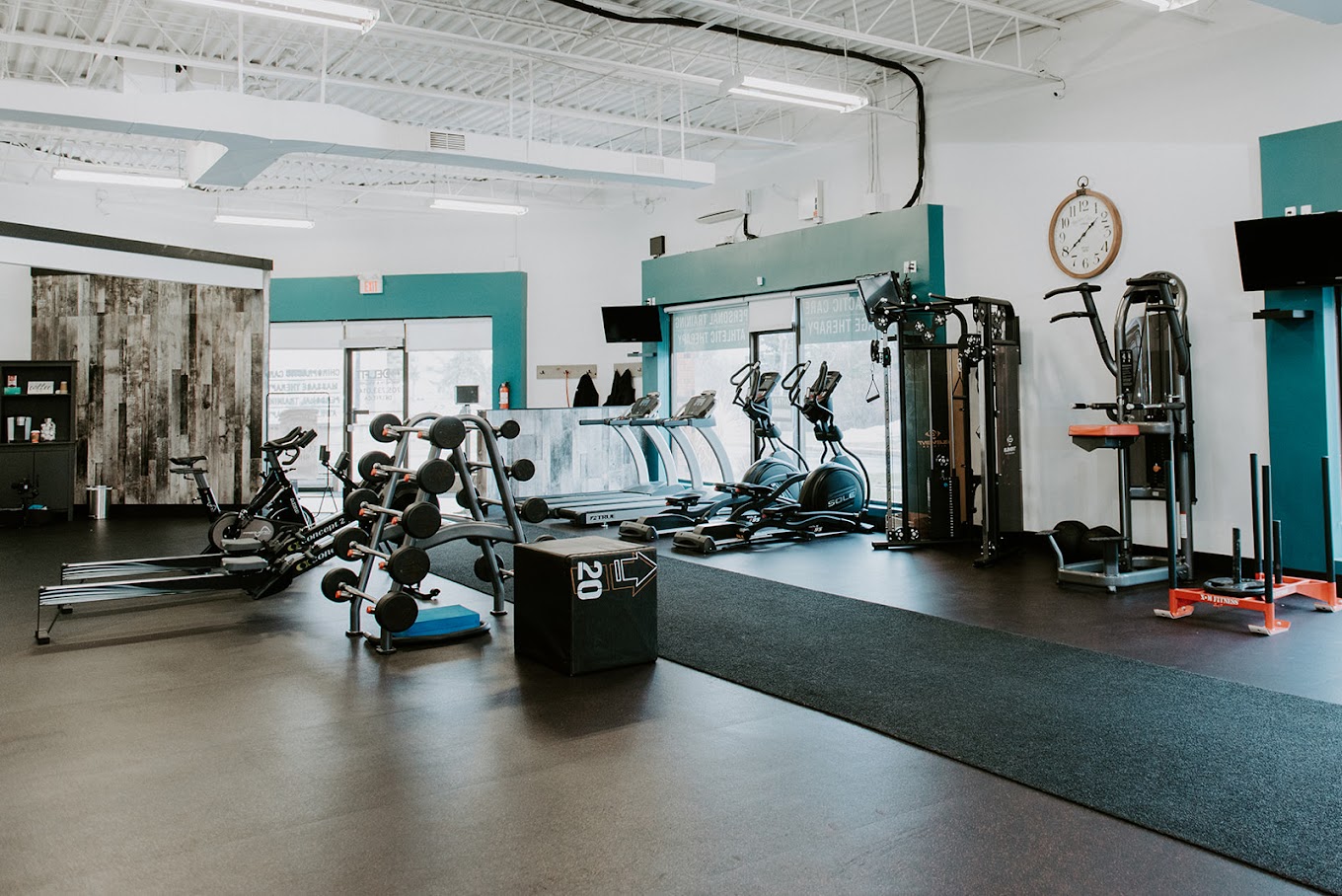
Thank you for your interest in the 2 day course “a World of HURT Course: A Guide to Classifying Pain Overview Course” taking place on November 15-16, 2025. You can attend this course in person at DEL.FIT Strength & Wellness in Barrie, Ontario Canada or you can attend virtually through a LIVE stream on zoom. After checkout you will choose if you are attending in person or virtual.
Course Times are Saturday 7:30 am – 5:00 pm and Sunday 7:30 am – 2:00 pm. The course will run on Eastern Daylight Time Zone.
Who Should Attend: Physical, Occupational & Massage Therapists & Assistants, Chiropractors, Athletic Trainers, Personal Trainers, Medical Doctors, Naturopathic Doctors, Nurses, Psychologists and any other practitioner who is involved in treating musculoskeletal or centrally dominated pain and prescribing exercise.
Continuing Education Credit: Physical Therapists and Occupational Therapists approved for 14 CEUs pending. All information needed for course submission in any state for any profession will be provided to each participant. World of HURT Courses have been accepted in many states by many professions including PT, DC, OT, ATC, Personal Trainer Psychology, MD, RN, ND, DC, etc
Course Description: This two-day course introduces information critical to the assessment and treatment of patients with acute, subacute, and chronic persistent pain. Translating pain mechanism research into clinical practice this course introduces to clinicians when to use a Pain Mechanism Approach versus a Pathoanatomical Approach. A pain mechanism approach allows classification and treatment of pain as it relates to the peripheral and central nervous system and it’s dominating factors to persistent symptoms. A Pain Mechanism Classification System (PMCS) will be outlined and serve to target selection of patient education and active care interventions for the dominating factors preventing full recovery allowing customization and individualization of care plans. The PMCS assessment will be demonstrated through live patient demonstrations, video, and paper case studies to aid application to clinicians’ practice. This course highlights a subgrouping framework, PMCS, which addresses pain from acute, subacute, and chronic stages covering chemical, structural, mechanical, cognitive, emotional, social, psychological, and cortical factors. This course integrates pain science research into a biopsychosocial dynamic approach utilizing breakout sessions for practical application of patient education and active care interventions. Promoting a common language toward recovery between pain clinicians of all disciplines and patients can transform rehabilitation interventions into patient self-assessment and prevention strategies. Included in this course, breakout sessions of active peripheral nervous system neurodynamic evaluation and treatment and central nervous system sensorimotor evaluation. The PMCS patient education and active care interventions support all patient ages and musculoskeletal to neurological diagnoses suffering from pain.
Course Objectives: At the conclusion of this course, participants should be able to:
1. Differentiate subjective and objective clinical characteristics in nociceptive, peripheral neurogenic, central sensitization, affective and motor/autonomic pain mechanisms.
2. Apply Pain Mechanism and Mechanical Diagnosis and Treatment classification principles to neurological patient population.
3. Classify dominant pain mechanism and prescribe patient education and active care intervention to musculoskeletal and neurological patients.
4. Objectively score patient related outcome measures using validated outcome tools.
5. Effectively communicate pain science education with individual treatment and within group model.
6. Effectively evaluate and treat Peripheral Nervous System, Neurodynamic, and Central Nervous System Sensorimotor Dysfunctions.
AGENDA
Day 1, Saturday November 15th:
7:30 Course Introduction – Musculoskeletal Pain Lessons – [WoH: Forward xi]
8:00 Lecture: Risk Assessment for Musculoskeletal Pain – Referral System
8:30 Lecture: Pain Mechanism Classification System (PMCS) – Definitions and Research [WoH: pg 21-23;28-31]
9:45 Break
10:00 Lecture: Peripheral Nervous System (PNS) Pain Mechanisms Subjective, Objective Characteristics [WoH: pg 102-103]
10:30 Lecture: PNS Patient Education and Active Care Intervention [WoH: pg 77-79,104]
11:15 Lecture: Peripheral Neurogenic Pain Mechanism (PNPM) Subjective & Objective Neurodynamic Evaluation [WoH: pg 102-103, 150-157]
12:00 Lunch
1:00 Workshop: Neurodynamic Evaluation Upper and Lower Limb Active Tests [WoH: pg 158-166]
1:45 Lecture: PNPM Intervention [WoH: 104, 135-144]
2:30 Break
2:45 Workshop: PNS Paper Cases Classification Exercise
3:30 Case Study: Video or Live Patient Demonstration: PNPM
4:45 Questions
5:00 Adjourn
Day 2, Sunday November 16th:
7:30 Lecture: Central Sensitization, Affective, Motor Autonomic Pain Mechanisms Subjective & Objective Characteristics – Patient Education and Active Care Interventions [WoH: pg 222-223; 202-203; 260; 327-328]
9:00 Interactive Workshop: CNS Paper Case Classification Exercise
9:45 Break
10:00 Words Workshop: Central Sensitization and Affective Pain Mechanisms CBT Pain Science Education and Active Care Intervention and Video patient Cases [WoH: pg 204-209, 216-218, 236, 261-263, 272-280, 281, 316, 335-343]; introduce the Yellow Flag Risk Form [WoH: pg 258]; Patient Education handouts [WoH pg ix, 39-40, 82-83, 206-215, 264-265, 269-271, 276-277, 337-338]; Psychometric Test – FABQ [WoH: pg 198-199], PASS [WoH: pg 257], PHQ-9 [WoH: pg 257], Documentation and Goal Setting
11:30: Interactive CBT Workshop: Role-Playing clinicians and patient pain science topics; Explaining CNS Mechanisms, Traffic light Guide to Movement Safe Pain, Pain Journal, Batteries Exercise
12:00 – Break
12:30 Interactive Demonstration: Motor/Autonomic Pain Mechanism Left/Right Discrimination Evaluation, Demonstration and Video patient Case [WoH pg 328-335]
1:45: Summary of Pain Mechanisms – “Lamp Analogy – 5 Steps to a Pain Free Life”
2:00 Adjourn
Course Questions: Please don’t hesitate to reach out to worldofhurt2@gmail.com if you have any questions.
There is not a prerequesite or requirement to attend this course. Our hope is that you will take the individual world of hurt courses that you need for your own clinical practice and professional development.
Group Discount: If you have a group of clinicians (3 or more) who would like to attend together, please sign up all three people at the same time and use promo code “WOHGROUP” for additional 10% off.
Student Pricing: If you are a current student in a healthcare program, please use WOHSTUDENT as the promo code to attend the course for 50% off.
Audit/Retake: If you have taken the Overview Coure before and would like to audit the course, please email worldofhurt2@gmail.com to let us know you would lke to retake or audit the course. We are happy to have you again!
1 Day Pricing: If you are not able to attend both days, please email worldofhurt2@gmail.com for 1 day pricing options.
Primary Instructor: Annie O’Connor, PT, OCS, Cert. MDT
Assistant Instructor: Melissa Watson, MSPT, Cert. MDT
Disclosures: Financial – The instructors Annie O’Connor and Melissa Watson will receive an honorarium for teaching from World of Hurt LLC who is sponsoring the course.
Learn More…
“a World of Hurt: A Guide to Classifying Pain“ Text Book: The course matierial is taught from the book a World of HURT: A Guide to Classifying Pain” © 2023, World of Hurt LLC. It is not required to purchase the book prior to the course, but it is recommended. Purchase a World of Hurt Text Book: Click Here.
The book “a World of Hurt: A Guide to Classifying Pain” collaborates two proven mechanism classification systems to treat the Pain Continuum from Acute to Chronic. Collaborating the best of pain science education, specific exercise prescriptions and healthy lifestyle eating recommendations. These Words Moves and Foods interventions effectively treat musculoskeletal and neurological pain and spasticity based on the dominating peripheral or central mechanism. The principles from a World of HURT has been widely tested, used in many health care systems and private clinical settings, multidiscipline seminars, and university curricula. Clinicians, payers, and patients all benefit from the common language and insight provided by this resource. Six training courses assure a mechanism classification approach into clinical practice.
Date
- Nov 15 - 16 2025
- Expired!
Cost
- $429.00
More Info
Location
- 35 Cedar Point Dr. Unit 35-36 Barrie, Ontario Canada L4N5R7
Other Locations
- Online
Category
Organizer
-
World of Hurt
-
Email
worldofhurt2@gmail.com -
Website
https://worldofhurt2.com